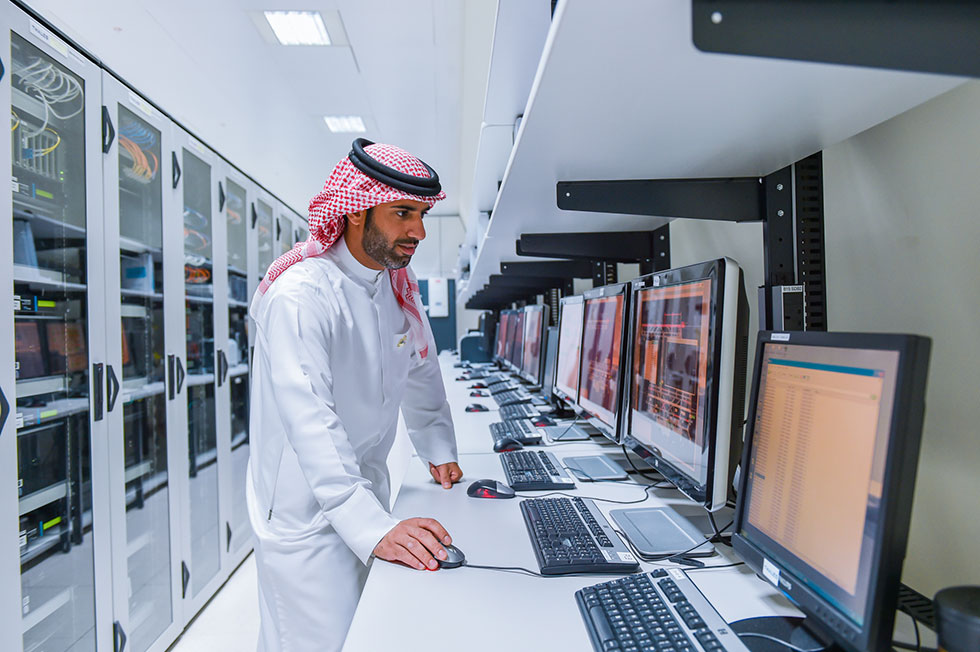
A technical employee can understand an equipment manual and still need further preparation for a safety-related operational role. The training question is not only what the person knows. It is what they must be able to do, on which systems and under which responsibilities.
ATSEP stands for Air Traffic Safety Electronics Personnel. ATSEP training develops knowledge and practical competence for technical functions that support air navigation services. It is distinct from the controller-training pathway, even though both contribute to the same aviation operation.
Start with the role, not the course title
For an Air Navigation Service Provider (ANSP), a useful training brief begins with the duties assigned to a person or team. Identify the systems involved, their existing experience and the work they are expected to perform after training. A title such as basic or qualification training does not answer all of those questions.
Completing a course does not, by itself, demonstrate competence or confer authorization for every operational task. Ask what the completion evidence establishes and which tasks require further workplace training, competence assessment or employer authorization under the applicable requirements.
How the training stages relate
The European ATSEP framework in Regulation (EU) 2017/373 distinguishes basic training, qualification training, system and equipment rating training, and continuation training. Basic training establishes the underlying knowledge; qualification training develops the relevant technical specialization. System and equipment rating training connects learning with the equipment and duties concerned, while continuation training maintains or updates competence.
This is a named international example, not a statement that the European regulation governs GANS training in the UAE. The required pathway depends on the applicable national requirements and the employer’s arrangements. Training buyers should confirm the framework for their personnel, the assessments required and the scope of any resulting authorization.
Building a brief for a technical team
Imagine an organization preparing staff for a change to a supporting system. Buying the longest course is not necessarily the most useful response. First distinguish what has changed, which duties are affected and what the staff already know. The resulting learning need may differ between a newcomer and an experienced employee moving into a revised role.
Use the following questions to frame the discussion:
- What duties and system types should the training prepare the team to support?
- What knowledge or experience is expected before the course begins?
- How will instruction connect with the organization’s own equipment and procedures?
- What assessment and completion evidence are included?
- What further workplace preparation or continued learning will be needed?
These questions make it easier to compare proposals on relevance rather than course length alone. They also help avoid promising an outcome that sits outside the training provider’s agreed scope.
Professional training and scholarships are different routes
GANS’s training offer includes technical aviation learning and tailored programs. For an organization, the training enquiry should identify its team, duties and development needs. The GANS ATSEP scholarship pathway is a separate route for eligible UAE nationals; it should not be treated as the same application process as corporate training.
Contact the GANS Training Centre to discuss your team’s training requirement, including its responsibilities and the capability you want to develop. Individual applicants interested in a scholarship should review the ATSEP scholarship information and confirm current eligibility and application availability with GANS.


